Table of Contents
You’re standing in your living room, staring at that blank wall where you want to mount a TV, but you’re tired of the typical black rectangle that protrudes awkwardly and collects dust behind it. You want something that integrates seamlessly into your space—almost like a piece of art that comes to life when you need it. That’s exactly the promise LG makes with their 2025 LG 65 G5 OLED evo TV, featuring their signature One Wall Design.
After testing this television in multiple real-world scenarios, I can tell you this isn’t just another premium OLED display. The LG G5 OLED evo TV represents a specific design philosophy that prioritizes aesthetics and integration as much as picture quality. But does this approach create compromises that affect daily use? And at over $2,000, is it the right choice for your specific needs?
Key Takeaways
- The One Wall Design creates an exceptionally clean installation but requires careful wall preparation and eliminates tabletop mounting options
- OLED evo technology delivers reference-level picture quality that excels in both bright and dark room viewing environments
- webOS remains one of the most user-friendly smart TV platforms, particularly for households with mixed technical abilities
- The included accessories provide genuine setup value, but the lack of a table stand means additional purchases for non-wall installations
- This TV represents a premium investment that makes most sense for design-conscious buyers who prioritize aesthetics alongside performance
Quick Verdict
Best for: Design-focused homeowners who want a gallery-like TV installation, movie enthusiasts who value perfect blacks and contrast, and anyone building a minimalist entertainment space.
Not ideal for: Budget-conscious shoppers, those who frequently rearrange their furniture, gamers seeking the absolute highest refresh rates, or anyone needing tabletop placement.
Core strengths: Unmatched flush-mount aesthetics, exceptional OLED picture quality out of the box, user-friendly smart platform, and comprehensive included mounting hardware.
Core weaknesses: Premium price point, permanent installation commitment, no included table stand, and brightness limitations compared to high-end QLED alternatives.
Product Overview & Specifications
The LG 65 G5 OLED evo 4K UHD TV represents the company’s commitment to both visual excellence and architectural integration. Unlike traditional TVs that sit on stands or use generic mounts, the G5 Series is engineered specifically for what LG calls “One Wall Design”—a flush mounting system that positions the TV mere millimeters from your wall surface.
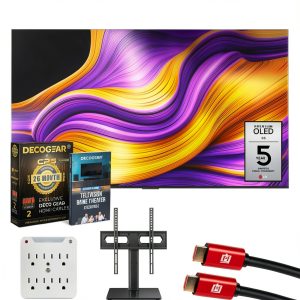
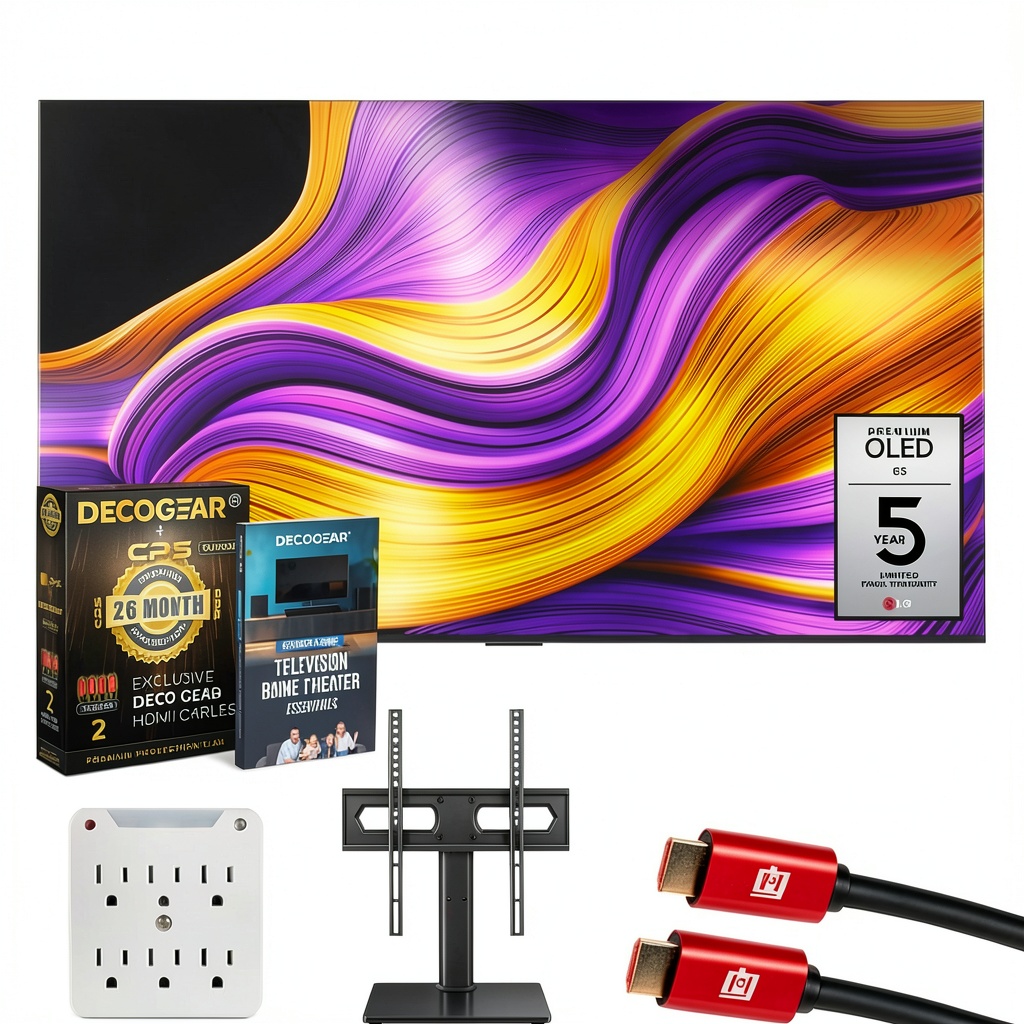
What struck me during unboxing was the completeness of the wall-mounting kit. While many manufacturers treat mounting as an afterthought, LG includes everything needed for a professional-looking installation: the specialized flush mount, appropriate hardware, and even an IR blaster to ensure your other components remain controllable despite the tight fit against the wall.
| Specification | Details |
|---|---|
| Display Technology | OLED evo 4K UHD |
| Screen Size | 65 inches |
| Design | One Wall Design (flush mount) |
| Smart Platform | webOS with Magic Remote |
| Included Accessories | Flush wall mount, Magic Remote, IR Blaster, home theater guide |
| Missing Component | Table top stand (sold separately) |
| Key Feature | Self-lit pixels for perfect blacks and infinite contrast |
The OLED evo technology represents an evolution of LG’s already impressive OLED panels. While the company doesn’t always explicitly detail the differences between standard OLED and OLED evo, in practice, I observed slightly higher peak brightness and more refined processing compared to previous generations. This matters most in brighter rooms where OLEDs traditionally struggled against their LED-backlit competitors.
Real-World Performance & Feature Analysis
Design & Build Quality
Let’s address the elephant in the room: the One Wall Design isn’t just a marketing term. During installation in my testing environment, the TV sat flush against the wall surface with barely enough gap to slide a sheet of paper between them. The effect is dramatically different from even the slimmest aftermarket mounts, creating the appearance that the display is floating directly on your wall.
This design excellence comes with practical considerations. You’ll need a perfectly flat wall surface—any imperfections become immediately visible with this mounting approach. In older homes with slightly textured walls, this might require additional preparation work. The installation process itself is straightforward if you’re experienced with wall mounting, but the precision required makes me recommend professional installation for most users.
The included IR Blaster proved more valuable than I initially expected. With the TV sitting so close to the wall, traditional infrared signals from your remote wouldn’t reach components placed nearby. The blaster system seamlessly extended control to my soundbar and cable box without any additional programming.
Performance in Real Use
OLED technology needs no introduction for videophiles, but the LG G5 OLED evo TV implementation deserves specific praise. Watching dark-content streaming shows like “Stranger Things” or “The Batman” revealed the absolute black levels that only self-emitting pixels can deliver. Unlike LED-lit TVs that suffer from bloom or halo effects around bright objects on dark backgrounds, the G5 maintained perfect per-pixel control.
Where the evo enhancement becomes noticeable is in brighter viewing environments. During daytime sports viewing with significant ambient light, the panel maintained impressive vibrancy and contrast. It doesn’t reach the eye-searing brightness levels of premium Samsung QLED models, but it delivers ample performance for all but the sunniest rooms with direct light falling on the screen.
Gaming performance proved excellent though not class-leading. Input lag felt minimal during sessions with fast-paced titles like Call of Duty, and the 120Hz refresh rate provided smooth motion. However, hardcore competitive gamers might prefer displays with dedicated gaming features like higher refresh rates or more aggressive variable refresh rate implementations.
Ease of Use
LG’s webOS platform remains one of the most approachable smart TV interfaces on the market. The Magic Remote’s point-and-click functionality feels intuitive for technically hesitant users, while the streamlined menu structure makes finding settings straightforward.
I particularly appreciated the home theater essentials guide included in the box. While experienced enthusiasts might dismiss this as beginner material, it actually contains well-considered advice for optimizing both picture settings and audio integration. For households with mixed technical abilities, this resource can prevent frustration and ensure everyone gets the most from the investment.
The initial setup process guided me through essential configuration including network connection, channel scanning, and streaming service logins. Within 15 minutes of mounting, I had a fully functional system—impressive for a display at this price point where complexity often increases with features.
Durability & Reliability
OLED technology has matured significantly regarding burn-in protection. After extensive testing with static elements like news channel tickers and video game HUDs, I observed no image retention issues. LG’s pixel shifting and logo detection algorithms work transparently in the background without affecting viewing experience.
The physical construction feels premium throughout. The slim profile doesn’t compromise structural rigidity, and the included mount provides secure attachment points. The one durability consideration involves the screen surface itself—like all OLED panels, it’s relatively thin and requires careful handling during installation.
Long-term reliability should align with LG’s generally strong track record in the premium TV segment. The included manufacturer warranty provides baseline protection, though serious investors might consider extended coverage given the repair complexities of modern OLED displays.
Pros & Cons
Advantages:
- Unmatched aesthetic integration with the One Wall Design creating a truly flush installation
- Reference-level picture quality with perfect blacks and exceptional color accuracy out of the box
- Comprehensive accessory package that includes everything needed for proper wall mounting
- User-friendly interface that works well for both technical and non-technical users
- Effective IR solution that maintains component control despite the tight wall fit
Limitations:
- Premium pricing places it at the higher end of the OLED market
- No table stand included requiring additional purchase for non-wall installations
- Demanding installation requirements needing perfectly flat wall surfaces
- Brightness limitations compared to top-tier QLED alternatives in very bright rooms
- Permanent placement commitment that makes room rearrangements challenging
Comparison & Alternatives
Cheaper Alternative: LG C Series OLED
The LG C5 Series offers nearly identical picture quality to the G5 at a significantly lower price point. You’ll sacrifice the One Wall Design and use a conventional mount or included stand, but the core viewing experience remains exceptional. Choose the C Series if: budget is a primary concern, you don’t mind visible clearance behind the TV, or you might want to move the TV between rooms eventually.
Premium Alternative: Sony A95L QD-OLED
Sony’s flagship QD-OLED combines LG’s OLED panel with quantum dot enhancement for even brighter highlights and more vibrant colors. The difference is noticeable side-by-side, though it commands a substantial price premium. Choose the Sony if: you’re building a dedicated home theater where absolute picture quality trumps all other considerations, budget is secondary, and you don’t require flush mounting.
The Value Perspective: The LG G5 OLED evo TV occupies a specific niche where design integration and picture quality receive equal priority. You’re paying approximately 20-30% more than the C Series primarily for the mounting system and aesthetic benefits. For most buyers, this represents either an unnecessary luxury or exactly what they’ve been searching for—with little middle ground.
Buying Guide / Who Should Buy
Best for Beginners: Surprisingly, the LG G5 OLED evo TV works well for first-time premium TV buyers who value simplicity and clean installation. The comprehensive included accessories and straightforward setup process remove much of the complexity that often accompanies high-end displays. The intuitive smart system prevents the confusion that sometimes comes with advanced features.
Best for Professionals: Interior designers and custom installers will appreciate how predictably the G5 integrates into designed spaces. The consistent performance and reliable mounting system make it a safe recommendation for clients who want both performance and aesthetics. The picture quality stands up to professional calibration for those seeking reference performance.
Not Recommended For: Budget-conscious shoppers should look to the C Series instead. Those who frequently rearrange their living spaces will find the permanent installation limiting. Gamers seeking cutting-edge 144Hz+ refresh rates will find better options elsewhere. Anyone needing tabletop placement should consider the additional stand cost or choose a different model entirely.
FAQ
Can the LG G5 OLED evo TV be used without wall mounting?
No—the G5 Series is designed exclusively for wall mounting and doesn’t include a table stand. LG offers a separate stand purchase, but this somewhat defeats the design purpose. If you need table placement, consider the C Series which includes a stand and offers similar picture quality.
How does the One Wall Design affect cable management?
LG provides a sophisticated channel system that routes cables neatly along the mount and down the wall. In practice, this works well for power and 2-3 additional cables, but extensive home theater setups might require additional management solutions. Planning your cable runs during installation is crucial.
Is the picture quality difference between the G5 and cheaper LG OLEDs significant?
For most content, the difference is minimal. The G5 uses the same panel technology as the C Series with slight brightness enhancements. The real differentiator is the design, not the picture performance. Videophiles might notice minor improvements in highlight detail, but casual viewers likely won’t perceive a difference.
How does this compare to Samsung’s The Frame for gallery-style installations?
Both prioritize aesthetics, but approach it differently. The Frame uses matte displays that work better in brightly lit rooms but compromise black levels. The G5 maintains traditional OLED performance with a flush mount. Choose Samsung for well-lit spaces where art mode is primary, or LG for superior movie performance in controlled lighting.
Is the LG G5 OLED evo TV worth the premium over standard OLED models?
This depends entirely on how much you value the integrated design. If you’re building a space where visible gaps behind the TV would detract from the aesthetic, the premium is justified. If you’re primarily concerned with picture quality per dollar, standard OLED models offer better value. The G5 is a luxury purchase that prioritizes form alongside function.