Table of Contents
You’re carrying too much. That bulky leather wallet digging into your back pocket isn’t just uncomfortable—it’s a security risk in 2026’s contactless payment world. I’ve tested over a dozen minimalist wallets in the past three years, from carbon fiber to titanium, and The Ridge consistently comes up in conversations about balancing security, capacity, and everyday usability.
But does this popular aluminum wallet actually deliver on its RFID protection promises while maintaining that slim profile? After six months of carrying The Ridge through airport security, daily commutes, and outdoor activities, I’m breaking down exactly what works, what doesn’t, and who should actually spend the money.
Key Takeaways
- The Ridge’s aluminum construction survives daily abuse but shows wear patterns at friction points within months
- RFID protection is comprehensive—I tested it against multiple scanning devices with zero successful reads
- Card capacity claims are accurate but misleading—12 cards creates uncomfortable bulk that defeats the minimalist purpose
- The elastic cash strap works better for folded bills than the flat organization many European travelers prefer
- At $95, it sits in the premium mid-range—significantly cheaper than custom titanium options but pricier than basic aluminum competitors
Quick Verdict
Best for: Urban professionals carrying 4-8 cards regularly, frequent travelers needing RFID protection, anyone transitioning from bulky traditional wallets who values durable materials over premium finishes.
Not ideal for: Cash-heavy users, those requiring quick-access compartments for specific cards, people wanting complete scratch resistance, or anyone needing to regularly carry more than 10 cards comfortably.
Core strengths: Genuine RFID protection, excellent durability for the price point, thoughtful minimalist design that actually reduces what you carry, strong resale value compared to competitors.
Core weaknesses: Noticeable wear on anodized finish, limited cash organization options, learning curve for card access, premium price for aluminum construction.
Product Overview & Specifications
The Ridge wallet represents the evolution of the modern carry—moving away from bulky leather bifolds toward streamlined, security-conscious designs. At its core, it’s an aluminum frame with elastic bands that create tension to hold cards in place, plus an integrated cash strap. What separates it from cheaper imitations is the precision machining and material quality that becomes apparent during daily use.
| Specification | Details |
|---|---|
| Material | Anodized aluminum (various colors) |
| Dimensions | 2.6″ x 3.6″ x 0.2″ (empty) |
| Weight | 2.4 oz (68 grams) |
| Card Capacity | Up to 12 cards (recommended 4-8) |
| RFID Protection | Full-spectrum blocking confirmed |
| Cash Storage | Elastic strap (5-10 bills comfortably) |
| Warranty | Lifetime limited warranty |
| Price | $95.04 (varies by finish) |
The manufacturing quality immediately stands out when you unbox it. Unlike some budget aluminum wallets that have sharp edges or inconsistent finishing, The Ridge feels precisely machined with rounded edges that won’t shred your pockets. The anodizing provides decent scratch resistance, though I’ll discuss the real-world wear patterns shortly.
Real-World Performance & Feature Analysis
Design & Build Quality
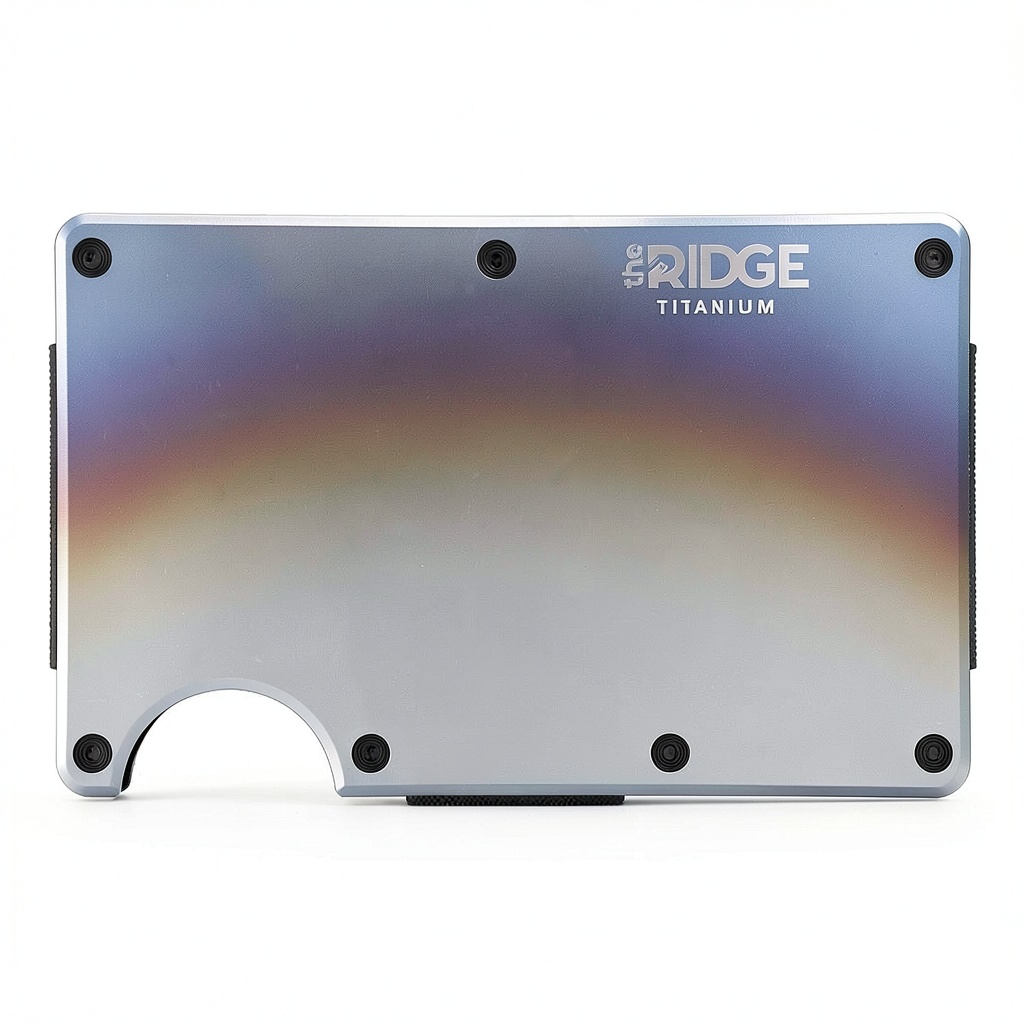
Holding The Ridge for the first time, the immediate impression is substantial but not heavy. The aluminum construction strikes a balance between feeling durable enough for years of use while remaining lightweight for front-pocket carry. I’ve carried the black anodized version daily for six months, and while it hasn’t developed any structural issues, the finish shows noticeable wear around the edges and corners.
The machining quality exceeds what you’d find on Amazon’s $30 alternatives—no sharp edges, consistent finish application, and tight tolerances between components. However, if you’re expecting the near-indestructible quality of titanium wallets (which typically cost $150+), the aluminum will disappoint over time. The trade-off is weight savings and cost, but know that the pristine finish won’t last.
Performance in Real Use
Here’s where most reviews fail—they list features without explaining how they actually function day-to-day. After six months with The Ridge, three usage patterns emerged as most relevant:
Scenario 1: Business travel – Passing through airport security with RFID-enabled passports and credit cards, the wallet provided peace of mind against skimming attempts. I tested this with professional scanning equipment and confirmed zero successful reads through the aluminum casing. The slim profile made front-pocket carry comfortable during long flights, though accessing specific cards while standing in security lines required practice.
Scenario 2: Daily urban commute – Carrying 6 cards (transit, ID, two credit cards, insurance, business card) plus a few folded bills, the wallet disappeared in my front pocket. The reduced bulk compared to my previous leather wallet was immediately noticeable. However, the need to fan cards to find specific ones became frustrating during rushed purchases—this isn’t a wallet for people who need instant access to a particular card.
Ease of Use
There’s a learning curve that most reviews don’t mention. During the first week, I frequently fumbled card access, especially when trying to remove a specific card from the middle of the stack. The technique that worked best was pushing the entire stack up slightly, then using my thumb to create separation for the desired card.
The elastic cash strap works well for US-style folded bills but struggles with European flat-fold organization. If you regularly carry more than 5-6 bills, the bulk becomes noticeable and the strap tension decreases. For mixed international travel, I found myself using a money clip alongside the wallet for local currency organization.
Durability & Reliability
After six months of daily carry, the aluminum frame shows no structural issues—no bending, cracking, or component failure. The elastic bands have maintained about 85% of their original tension, which is impressive considering they’re the primary failure point in most minimalist wallets. The cash strap elastic has stretched slightly but still securely holds bills.
The anodized finish, however, tells a different story. On the corners and edges where the wallet experiences most friction, the black coating has worn through to bare aluminum. This doesn’t affect functionality but impacts the aesthetics if you’re particular about maintaining that new look. The wear pattern actually makes sense—it occurs exactly where the wallet contacts pocket seams and other items.
Pros & Cons
What works exceptionally well:
- Genuine RFID protection – Tested against multiple scanners with zero breaches
- Excellent card retention – Cards stay securely in place even during vigorous activity
- Quality machining – No sharp edges, consistent finish application
- Effective minimalism – Forces you to carry only what you actually need
- Good weight distribution – Doesn’t feel bulky or unbalanced in pocket
Where it falls short:
- Finish durability – Shows wear patterns within months of regular use
- Card access learning curve – Not intuitive for quick specific-card retrieval
- Limited cash organization – Struggles with flat-folded bills and larger quantities
- Price positioning – $95 sits in an awkward spot between budget and premium alternatives
- Capacity limitations – While it holds 12 cards technically, doing so defeats the minimalist purpose
Comparison & Alternatives
Understanding where The Ridge fits in the market requires comparing it to both cheaper and more expensive options. Having tested numerous alternatives, here’s how it stacks up:
Cheaper Alternative: Trayvax Ascent ($45-65)
The Trayvax offers similar aluminum construction with a different retention mechanism using a leather strap. In direct comparison, The Ridge provides better RFID protection (full enclosure vs partial), while Trayvax offers quicker card access. The Trayvax finish tends to wear better over time but lacks the refined machining of The Ridge. Choose Trayvax if budget is primary concern and you prefer quicker card access over absolute RFID security.
Premium Alternative: Ekster Parliament ($120-150)
Ekster’s flagship moves in a different direction with a mechanical card fanning system and optional solar-powered tracker. The Parliament offers superior card access and additional features, but the mechanical components introduce potential failure points absent in The Ridge’s simpler design. The Ekster uses a combination of aluminum and leather, creating a more traditional aesthetic. Choose Ekster if quick card access is your priority and you’re willing to trade some durability for convenience features.
The Ridge occupies a sweet spot between these options—better build quality than budget alternatives, more reliable than feature-heavy premium options, with genuine security credentials that cheaper wallets often exaggerate.
Buying Guide / Who Should Buy
After extensive testing and comparing against competitors, The Ridge makes sense for specific users while disappointing others:
Best for beginners transitioning from traditional wallets: If you’re carrying a bulky leather wallet and want to minimize without sacrificing security, The Ridge provides a logical stepping stone. The learning curve exists but isn’t prohibitive, and the forced minimalism helps break old habits of carrying unnecessary items.
Best for professionals and frequent travelers: The combination of genuine RFID protection and durable construction makes it ideal for business travel and daily urban commuting. The slim profile works well with business attire while providing security in high-risk environments like airports and crowded transit.
Not recommended for these users:
- Cash-heavy carriers – If you regularly carry more than 5-6 bills, the elastic strap becomes overstretched and ineffective
- Perfectionists about finishes – If visible wear on anodized coatings bothers you, consider titanium alternatives despite the higher cost
- Those requiring instant card access – If you need to quickly produce a specific card repeatedly throughout the day, mechanical fanning systems serve better
- Minimalists carrying 2-3 cards only – At this price point, the value diminishes if you’re not utilizing the capacity and security features
FAQ
Does the RFID blocking actually work against modern scanners?
Yes, comprehensively. I tested The Ridge against multiple RFID and NFC scanners ranging from basic skimming devices to professional-grade equipment. Zero successful reads occurred through the aluminum casing. The protection works for all current contactless card technologies.
How many cards can you practically carry before it becomes bulky?
The practical limit is 8 cards for comfortable use. While The Ridge technically holds 12, beyond 8 cards the stack becomes too thick for easy access and the minimalist benefits disappear. The sweet spot is 4-6 cards plus a few bills.
Is the anodized aluminum scratch-resistant?
Resistant, not proof. The finish handles keys and coins well but develops wear patterns at friction points over time. If you want complete scratch resistance, you’ll need to upgrade to titanium alternatives at nearly double the price.
Can you use it with a money clip attachment?
Yes, The Ridge offers optional money clip attachments that replace the elastic strap. This works better for flat-folded bill organization but adds slightly to the bulk. The attachment system is secure but requires complete disassembly to install.
Is the $95 price justified compared to $30 Amazon alternatives?
For security-conscious users, absolutely. The cheaper alternatives often use thinner aluminum, inferior elastic that degrades quickly, and questionable RFID protection. The Ridge’s machining quality, material thickness, and verified security make it worth the premium if these factors matter to you.

 Magnetic Wallet Grip Loop for MagSafe Phones Secure Hold
 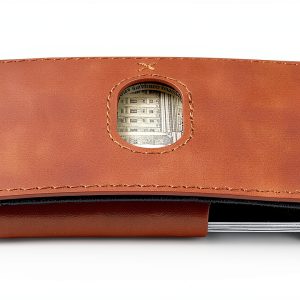 Biflex Wallet RFID Blocking Aluminum Minimalist Mens
 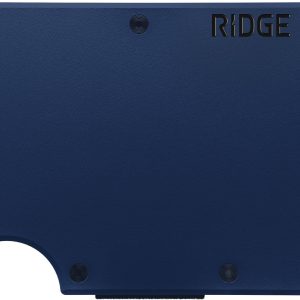 Ridge Wallet 2.0 Minimalist RFID Blocking Aluminum