Table of Contents
You’re tired of the bulky wallet. That overstuffed leather brick that ruins your pants’ silhouette, makes sitting uncomfortable, and takes forever to find what you need. The promise of a minimalist wallet is appealing, but you’re skeptical. Is trading traditional bulk for a slim metal plate actually better, or just a different kind of hassle?
I’ve carried the Ridge Wallet 2.0 daily for three months—through business trips, weekend outings, and everything in between. This isn’t a spec sheet recap; it’s a real-world breakdown of what it’s actually like to live with this popular aluminum wallet. We’ll look beyond the marketing to see where it excels, where it compromises, and whether it truly solves the problems it claims to.
Key Takeaways
- The 10% weight reduction is noticeable compared to previous models, making the 2.0 more comfortable in lightweight pants and running shorts.
- Card access requires a specific technique; it’s not as instantly quick as a traditional bifold, especially when you need a specific card from the middle of the stack.
- Build quality is exceptional—the 6061-T6 aluminum and powder coating show virtually no wear after months of use.
- The 99-day trial is a genuine safety net that makes testing this different form factor relatively risk-free.
- It’s not ideal for cash-heavy users, even with the Money Clip or Cash Strap add-ons, which feel like afterthoughts compared to the core card-carrying function.
Quick Verdict
The Ridge Wallet 2.0 delivers on its minimalist promise with premium materials and clever engineering, but its unique card-access system demands an adjustment period.
Best for: Urban professionals, frequent travelers, minimalists, and anyone who primarily uses cards over cash and wants to eliminate bulk.
Not ideal for: Those who regularly carry more than a few bills, people who need instant access to a specific card, or anyone preferring soft, flexible materials.
Core strengths: Unmatched durability, effective RFID blocking, significant pocket space savings, and a generous trial period that reduces purchase anxiety.
Core weaknesses: Steep learning curve for card retrieval, mediocre cash handling solutions, and a price tag that’s hard to justify if you don’t value the specific minimalist aesthetic.
Product Overview & Specifications
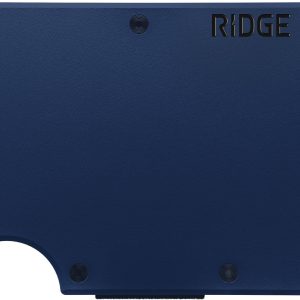
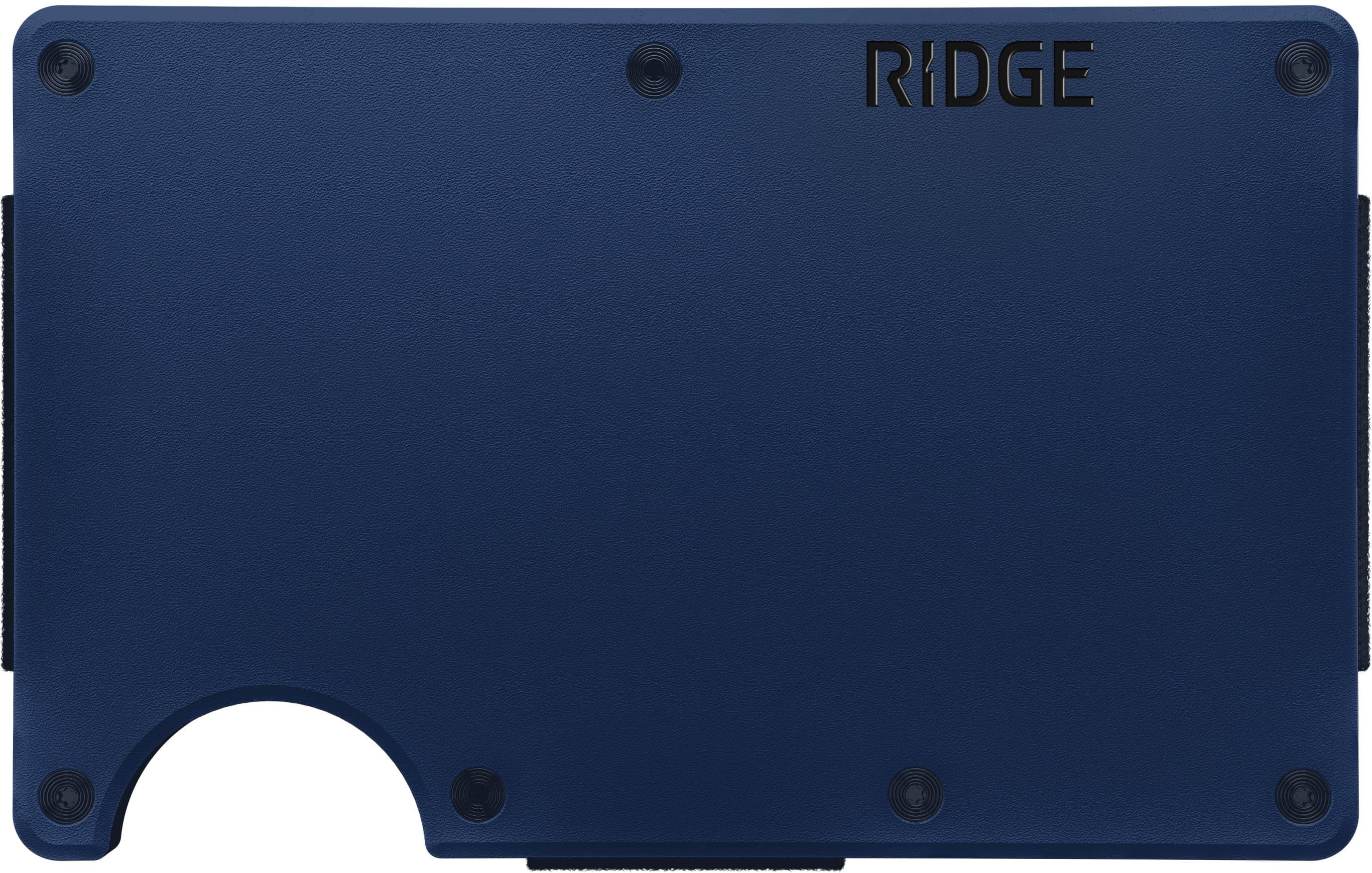
The Ridge Wallet 2.0 is the refined version of the brand’s iconic metal wallet. At its core, it’s two anodized aluminum plates bound by a durable elastic that expands to hold your cards. The 2.0 iteration focuses on subtle improvements: a 10% weight reduction, oil-filled logos for a cleaner look, and refined accessory compatibility.
What separates it from traditional wallets is the complete absence of folding sections or multiple compartments. Everything is compressed into the slimmest possible profile, protected by the RFID blocking aluminum construction.
| Specification | Details |
|---|---|
| Material | 6061-T6 Aluminum |
| Finish | Powder-coated, scratch-resistant |
| Weight | Approximately 1.8 oz (10% lighter than v1) |
| Card Capacity | 1-12 cards (elastic expands) |
| RFID Protection | Full-spectrum blocking |
| Cash Solutions | Optional Money Clip or Cash Strap |
| Warranty | Built for Life Warranty + 99-day trial |
Real-World Performance & Feature Analysis
Design & Build Quality
The first thing you notice unboxing the Ridge Wallet 2.0 is its precision. The aluminum plates have a satisfying heft without being heavy, and the powder coating provides a consistent matte finish that feels both premium and utilitarian. Unlike some metal wallets with sharp edges, the 2.0’s corners are comfortably rounded.
After three months of carrying it in pockets with keys and loose change, I’m impressed by the scratch resistance. There are minor hairline marks, but no gouges or significant wear. The elastic shows no signs of stretching out, maintaining consistent tension whether carrying 3 cards or 10. The build quality justifies much of the price premium over Amazon alternatives, which often use inferior aluminum and weaker elastic that degrades quickly.
Performance in Real Use
Here’s where reality diverges from product photos. The card access mechanism works well once mastered, but has a significant learning curve.
Scenario 1: The Coffee Shop Rush You’re in line, need your payment card. With a traditional wallet, you flip it open and grab the card. With the Ridge, you push the cards up from the bottom, fan them, select yours, then push the rest back down. It’s a two-handed operation that feels clumsy initially. After several weeks, I developed a one-handed technique using my thumb and index finger, but it’s never as instantly quick as a traditional wallet.
Scenario 2: Security Checkpoint Needing to quickly show ID is where the Ridge shines. Instead of removing your wallet, you can simply push your ID to the top of the stack and present the entire wallet. The RFID blocking provides genuine peace of mind in crowded areas where digital theft might occur, though this threat is often overstated for average users.
The biggest practical advantage is the consistent slim profile. Whether carrying 5 cards or 12, the wallet never bulges. This makes it ideal for front-pocket carry, eliminating the uncomfortable back-pocket sit.
Ease of Use
This is the Ridge’s most divisive aspect. Adding cards is simple—just slide them in. Removing specific cards, however, requires practice. Cards in the middle of the stack are particularly challenging to extract without removing several others first.
The optional Money Clip attaches securely but adds noticeable bulk, defeating some of the minimalist purpose. The Cash Strap is slimmer but makes accessing bills more difficult than a traditional billfold. If you’re a cash-heavy user, this is a significant compromise.
The modular system is clever but expensive. Switching between the Money Clip and Cash Strap requires purchasing both separately at $25-$35 each, making the true cost of a fully-configured wallet closer to $140 rather than the base $92.
Durability & Reliability
After three months of continuous use, the Ridge Wallet 2.0 shows virtually no functional wear. The elastic remains tight, the plates are uncracked, and the finish is 95% intact with minor surface scratching. The aluminum construction makes it essentially crush-proof in normal use.
The Built for Life Warranty is genuinely valuable—Ridge will replace worn elastic or damaged components for just $10 shipping. This makes the long-term cost of ownership reasonable compared to replacing a leather wallet every few years.
Pros & Cons
Pros:
- Eliminates bulk permanently – No more back pain or ruined pants silhouettes
- Exceptional build quality – Materials and construction justify much of the price
- Truly effective RFID protection – Complete peace of mind against digital theft
- Generous trial period – 99 days to decide if the system works for you
- Weather resistant – Aluminum won’t waterlog or degrade like leather
Cons:
- Significant learning curve – Card access isn’t intuitive and requires practice
- Poor cash handling – Both Money Clip and Cash Strap feel like compromises
- Premium price – Substantially more expensive than functional alternatives
- Can scratch phone screens – Hard edges potentially damage other pocket items
- No quick-access compartment – Everything requires the same push-fan-select process
Comparison & Alternatives
Understanding where the Ridge fits requires comparing it to both budget and premium options.
Cheaper Alternative: Generic Aluminum Wallet ($15-25)
Amazon is filled with Ridge clones at one-third the price. I tested one alongside the Ridge 2.0. The clone worked initially but showed problems within weeks: the elastic stretched noticeably, the aluminum had sharper edges, and the finish scratched easily. Choose a clone if you want to test the minimalist wallet concept with minimal investment, or if you’re rough on items and prefer to replace cheaply. Avoid clones if you want long-term reliability or care about refined details.
Premium Alternative: Trayvax Contour ($85-100)
The Trayvax uses leather-wrapped metal plates with a quick-access front card slot. It’s similarly priced but offers different advantages. The leather provides better grip and doesn’t scratch other items, while the quick-access slot is genuinely faster for your most-used card. Choose Trayvax if you prefer mixed materials, need faster card access, or carry more cash. Stick with Ridge if you prefer pure minimalist aesthetics, want maximum durability, or need full RFID protection (some Trayvax models have RFID slots rather than full blocking).
Buying Guide / Who Should Buy
Best for Beginners: If you’re new to minimalist wallets, the Ridge’s 99-day trial makes it surprisingly beginner-friendly despite the learning curve. You have ample time to adjust without financial risk. Start with just the base wallet before investing in cash-carrying accessories.
Best for Professionals: Business travelers and office workers benefit most from the Ridge’s combination of slim profile and RFID protection. It slips seamlessly into suit pockets without bulging and protects corporate cards from skimming in crowded airports and conferences.
Not Recommended For:
- Cash-heavy users – Neither cash solution works well for regular bill carrying
- Those with dexterity issues – The card access system requires good finger strength and coordination
- People who frequently need specific secondary cards – Accessing cards in the middle of the stack remains cumbersome
- Anyone wanting a soft, flexible wallet – The aluminum is unyielding and takes getting used to
FAQ
Is the Ridge Wallet 2.0 worth $92?
Only if you specifically value what it offers: absolute minimal bulk, maximum durability, and RFID protection. If you’re happy with a slim leather wallet, the price is hard to justify. But if bulk genuinely bothers you, the Ridge solves that problem completely.
How many cards can you practically carry?
While it technically holds 12, 6-8 cards is the practical maximum before the stack becomes too thick to easily manage. Beyond 8 cards, accessing any specific one becomes increasingly difficult.
Does the RFID blocking really matter?
For most people, RFID skimming is a minimal threat—but the protection is genuine. If you frequently travel through crowded areas or use high-limit cards, the peace of mind is valuable. For average daily use, it’s more of a bonus than a necessity.
How does the 2.0 improve on the original?
The weight reduction is noticeable in lightweight pants, the oil-filled logos look more premium, and the refined accessory attachments are slightly more secure. Existing Ridge owners might not need to upgrade, but new buyers should choose the 2.0 for these refinements.
What’s the actual risk with the 99-day trial?
You’re only out return shipping costs (typically $5-8). Ridge processes returns without hassle based on multiple user reports. This makes trying the wallet genuinely low-risk.