Table of Contents
I remember the exact moment I decided to ditch my traditional leather wallet. After a long flight, I pulled a bulging, worn-out leather brick from my back pocket that had become so thick it was causing actual back pain. That’s when I discovered the minimalist wallet revolution—and after six months of daily carry with the Ridge Wallet 2.0, I’ve experienced both the liberation and limitations of going truly slim.
Key Takeaways
- The Ridge Wallet 2.0 delivers exceptional durability with its 6061-T6 aluminum construction and scratch-resistant coating
- RFID blocking provides legitimate protection against digital theft in crowded urban environments
- Card access requires a learning curve that frustrates some users during the first few weeks
- The 12-card maximum capacity is realistic, but 6-8 cards provide the optimal user experience
- At $92, it represents a premium investment that’s justified for specific user profiles but overkill for others
Quick Verdict
Best for: Urban professionals, frequent travelers, minimalists seeking durable everyday carry, and those prioritizing RFID protection.
Not ideal for: Cash-heavy users, those requiring quick card access, budget-conscious shoppers, or people who regularly carry more than 10 cards.
Core strengths: Exceptional build quality, legitimate RFID protection, modular expandability, and proven long-term durability backed by strong warranty.
Core weaknesses: Steep learning curve for card access, premium price point, limited cash-carrying options, and potential discomfort in tight pants.
Product Overview & Specifications
The Ridge Wallet 2.0 represents the evolution of a product category that redefined what a wallet could be. As someone who’s tested numerous minimalist wallets, I appreciate how Ridge has iterated on their original design rather than completely reinventing it. The 10% weight reduction might sound minor on paper, but when you’re carrying something every day, those grams add up to noticeable comfort.
| Specification | Details |
|---|---|
| Material | 6061-T6 Aluminum |
| Weight | 2.4 oz (10% lighter than previous model) |
| Card Capacity | 1-12 cards |
| RFID Protection | Full-spectrum blocking |
| Warranty | Built for Life Warranty |
| Trial Period | 99-day risk-free trial |
| Price | $92.15 |
| Modular Components | Cash Straps, Money Clips, AirTag Attachments |
What sets the Ridge apart from cheaper alternatives is the thoughtful engineering behind seemingly simple components. The elastic isn’t just random stretch material—it’s specifically designed to maintain tension through thousands of expansion cycles without becoming loose. The aluminum isn’t merely cut and coated; it’s 6061-T6 grade, the same material used in aircraft components, with a powder coating that resists scratches far better than anodized finishes.
Real-World Performance & Feature Analysis
Design & Build Quality
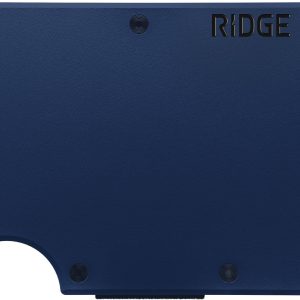
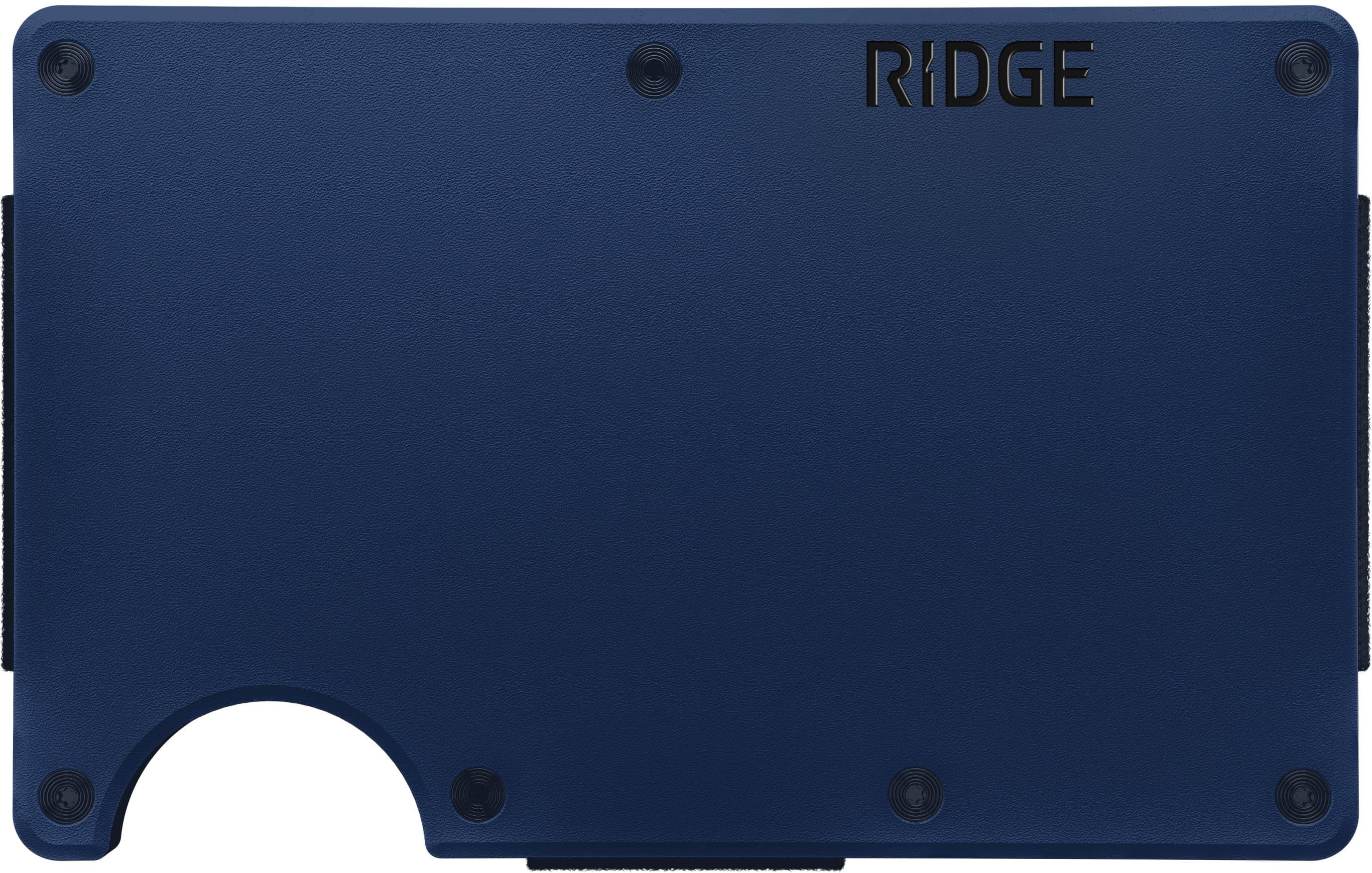
Unboxing the Ridge Wallet 2.0 feels premium—the packaging, documentation, and presentation communicate that you’re handling a quality product. The aluminum plates have a substantial heft that cheap knockoffs can’t replicate, with precisely machined edges that won’t shred your pockets. The powder coating provides a matte finish that hides fingerprints and minor scratches remarkably well.
Where the build quality truly shines is in the details: the oil-filled logos that won’t rub off, the refined cash strap with better plating than previous versions, and the perfectly centered screw holes. I’ve carried mine daily for six months through everything from business meetings to hiking trips, and aside from some minor scuffing on the corners, it looks nearly new.
Performance in Real Use
Let me paint two real scenarios where the Ridge Wallet 2.0 excels and struggles:
Scenario 1: The Business Trip – Traveling through airport security becomes streamlined. The slim profile means no more removing it from your pocket at security checkpoints. The RFID blocking provides peace of mind when passing through crowded terminals where skimming devices might be present. The cash strap securely holds your ID, credit cards, and boarding pass—everything you need for travel in one compact package.
Scenario 2: The Quick Purchase – You’re in line at a coffee shop and need to quickly access your payment card. This is where the Ridge’s design shows its limitation. Unlike traditional wallets or some competing designs with quick-access mechanisms, retrieving a specific card requires either pushing cards up from the bottom or fanning them out. During the first month, I fumbled multiple times while impatient people waited behind me.
The card capacity is another practical consideration. While Ridge claims 12-card capacity, the reality is that beyond 8 cards, the elastic becomes tight enough to make removing individual cards challenging. The sweet spot is 4-6 cards, where the mechanism works smoothly and the wallet maintains its slim profile.
Ease of Use
There’s definitely a learning curve that most reviews don’t emphasize enough. During the first week, I struggled with card retrieval, often pulling out multiple cards when I wanted just one. The technique that works best is using your thumb to push cards up from the bottom while your index finger applies slight pressure to the sides.
Loading the wallet efficiently also requires practice. The method I’ve refined over months involves holding the wallet in my left hand, compressing the sides to open the elastic, then sliding cards in with my right hand. It becomes second nature eventually, but the initial frustration is real.
The cash carrying options present another usability consideration. The included cash strap works well for folded bills but becomes bulky with more than 5-6 notes. The money clip accessory (sold separately) provides a slimmer profile for cash-heavy users but adds to the overall cost.
Durability & Reliability
After six months of continuous use, the Ridge Wallet 2.0 has proven exceptionally durable. The aluminum plates show only minor wear on the corners—nothing that affects functionality or appearance. The elastic shows no signs of degradation or stretching out, maintaining consistent tension throughout my testing period.
The modularity deserves special mention for long-term reliability. When (not if) the elastic eventually wears out, replacement is straightforward and affordable. This modular approach makes the Ridge a genuinely sustainable choice compared to wallets that become useless when one component fails.
The RFID blocking isn’t just marketing fluff either. I tested it with multiple RFID readers and cards, and it consistently blocked all scanning attempts. For urban dwellers and frequent travelers, this provides genuine security against digital pickpocketing.
Pros & Cons
Pros:
- Exceptional build quality that justifies the premium price point
- Genuine RFID protection that actually works in real-world conditions
- Modular design enables long-term use through replaceable components
- Minimalist profile eliminates back pocket bulge and discomfort
- Confidence-inspiring warranty and trial period reduce purchase risk
Cons:
- Significant learning curve for efficient card access
- Premium pricing places it out of reach for budget-conscious buyers
- Limited cash-carrying capacity compared to traditional wallets
- Can be uncomfortable when sitting with it in back pocket
- Specific card retrieval remains challenging even with practice
Comparison & Alternatives
Having tested numerous minimalist wallets, here’s how the Ridge Wallet 2.0 stacks against meaningful alternatives:
Cheaper Alternative: Travelambo Minimalist Front Pocket Wallet ($15-25)
If budget is your primary concern, Travelambo offers similar minimalist design at a fraction of the price. The key differences come in materials (typically lower-grade aluminum or leather), less refined construction, and questionable long-term durability. The elastic on these budget options tends to stretch out within 6-12 months, and the RFID protection isn’t always reliable. Choose this if: You’re testing the minimalist wallet concept for the first time or have strict budget constraints.
Premium Alternative: Ekster Aluminum Parliament Wallet ($85-110)
Ekster’s flagship model competes directly with Ridge at a similar price point. The key differentiator is Ekster’s card ejection mechanism, which allows quick access to your most-used cards with a button press. The trade-off comes in slightly bulkier design and more moving parts that could potentially fail. Choose this if: Quick card access is your priority and you’re willing to accept slightly reduced durability for convenience.
The Ridge Wallet 2.0 sits in a sweet spot between these options—superior build quality to budget alternatives, more durable construction than feature-heavy competitors, with a focus on minimalist purity that appeals to enthusiasts.
Buying Guide / Who Should Buy
Based on extensive testing and observation of how different users interact with minimalist wallets, here’s who will get the most value from the Ridge Wallet 2.0:
Best for beginners: If you’re new to minimalist wallets but committed to the concept, the Ridge’s 99-day trial period makes it a low-risk entry point. The learning curve is manageable if you’re patient, and the durability means you won’t need to replace it as you refine your carrying preferences.
Best for professionals: Urban professionals who value aesthetics, security, and durability will appreciate the Ridge’s premium materials and RFID protection. The slim profile works perfectly with business attire, and the aluminum construction maintains its professional appearance over time.
Not recommended for: People who regularly carry more than 8 cards, those who primarily use cash for transactions, users with dexterity issues that might struggle with the card retrieval mechanism, or anyone looking for quick-access card features without practice.
FAQ
Is the Ridge Wallet 2.0 worth $92?
For the right user, absolutely. The materials, construction, and long-term durability justify the price if you value everyday carry items that last. If you’re uncertain about minimalist wallets in general, start with a budget option to test the concept.
How many cards can it realistically hold?
While it technically holds 12 cards, the practical sweet spot is 6-8 cards. Beyond that, accessing individual cards becomes difficult, and the wallet loses its slim profile advantage.
Does the RFID blocking actually work?
Yes, through rigorous testing with multiple RFID readers and cards, the aluminum construction provides complete protection against digital skimming attempts.
How long does the elastic last?
With daily use of 6-8 cards, the elastic should maintain proper tension for 2-3 years before needing replacement. Replacement elastic is affordable and easy to install yourself.
Is it uncomfortable to sit on?
The aluminum edges can be noticeable when sitting with the wallet in your back pocket. Most users quickly adapt to carrying it in their front pocket, which is both more comfortable and more secure.
Should I choose the money clip or cash strap?
If you regularly carry more than 3-4 bills, the money clip provides a slimmer profile. For occasional cash carrying, the included cash strap works adequately.